Ishmael Is Born

TLDR: A guide for having a family discipleship time on Genesis 16 based on the ACT Bible Study Method.


Act 3: God Promises Jesus
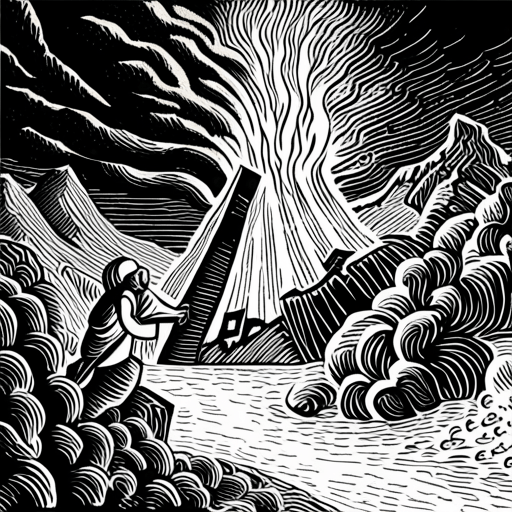
Scene 5: Ishmael Is Born
Genesis 16:1–16

Analyze the Passage

Step 1: Introduce the Passage

Genesis was written by Moses sometime between 1445–1405 BC to help the Israelites leaving Egypt understand their history with God. It’s one of the five books of the Law that Moses wrote, which we also call the Torah, or the Pentateuch, which means “five books.”

Today’s true story describes a lower point in Abram’s life. It’s one that continues to remind us that Abram wasn’t perfect and that going our own way rather than God’s way never works out. This story is in Act 3: God Promises Jesus.

Step 2: Read the Passage

Genesis 16:1–16

Step 3: Summarize the Passage

Because Sarai and Abram still did not have any children, Sarai told him to try to have a child with her servant Hagar. Abram did as Sarai said. Hagar became pregnant and as soon as she did, she hated Sarai. So, Sarai treated Hagar harshly and Hagar ended up running away.

Then, the angel of the Lord found Hagar in the wilderness and told her to return to Sarai and Abram. The angel promised that Hagar would have a large family. She was to name her son Ishmael. He would be a wild man and not get along with others.

Hagar gave birth to a son and named him Hagar as she had been instructed. This happened when Abram was 86 years old.

Step 4: Interrogate the Passage

Questions you and your family ask might include:

  • How long has it been since God promised Abram and Sarai children?
  • Had God prevented Sarai from having children?
  • Why did Hagar hate Sarai?
  • Why did Sarai blame Abram?
  • Should Abram have done more for Hagar?
  • Who or what is the angel of the Lord?
  • Why did the angel of the Lord want Hagar to return?
Step 5: Wonder about the Passage

Wonder statements you and your family make might include:

  • I wonder how Hagar felt about all that happened.
  • I wonder what Sarai meant when she said God should judge between her and Abram.
  • I wonder how Abram felt about all that happened.
  • I wonder how Hagar felt about being told to return.
  • I wonder how Hagar felt about the angel’s message of how Ishmael would be hostile with everyone.

Connect the Passage to Christ

Step 6: Find the World in Front of Text

This story shows us several things that are wrong, that God wants to make better. Neither Abram nor Sarai live in faith. They both fail to trust God and wait patiently for him to make good on his promises. Instead, they take matters into their own hands. This leads to several strained and broken relationships. Sarai and Hagar begin to fight. Sarai and Abram don’t get along the best. Abram seems to do very little to care for Hagar and to prevent wrongs being done to her. Then, we read of how Hagar’s son, Ishmael would be hostile with everyone.

God did not intend for any of this. Rather, he wants us to live in faith and to go out of our way to care for others—to treat them with love, respect, and honor. He wants us to value our relationships and be welcoming and supportive. But if something goes wrong, he wants us to be quick to forgive and restore.

Step 7: Find the World of Jesus of the Text

No one shows us what forgiveness and hospitality can and should look like more than Jesus. He models what forgiveness—full and immediate—is to be like. It’s possible. It isn’t easy, but it is attainable. He experienced the greatest of wrongs done to him, but every moment of the way, his heart was fixed on forgiving others. That’s what God wants from us too. At the same time, Jesus shows us what it looks like to pursue friendships with others. While Sarai was running Hagar off, Hagar was running off, and Abram was standing by aimlessly, Jesus shows what it’s like to pursue friendships and peace with others. He didn’t run people off. He didn’t run off. He didn’t stand off. He pursued people to know them and be with them. That’s our calling too.


Translate It to Your Context

Step 8: Connect the World of Jesus of the Text to Your World

Who do you need to forgive? Who has wronged you in a big way or a small way that you can truly forgive? How can you let that person know they are forgiven? Who might you ask to forgive you for something you’ve done wrong?

How can you show someone hospitality this week? How can you treat someone with friendship, love, and kindness? Think about people who you know of or barely know, especially anyone who seems like he or she might need a friend. What will you do to be a friend to them?


NEXT: Act 3: God Promises Jesus; Scene 6: Isaac Is Promised (Genesis 17:1–27)

Learn more about this family discipleship method here.

Abraham Is Given a Covenant from God

TLDR: A guide for having a family discipleship time on Genesis 15 based on the ACT Bible Study Method.


Act 3: God Promises Jesus
Scene 4: Abraham Is Given a Covenant from God
Genesis 15:1–21

Analyze the Passage

Step 1: Introduce the Passage

Genesis was written by Moses sometime between 1445–1405 BC to help the Israelites leaving Egypt understand their history with God. It’s one of the five books of the Law that Moses wrote, which we also call the Torah, or the Pentateuch, which means “five books.”

Today’s true story is one that shows us God doesn’t forget his promises. Ever. The promise he made to Abram in Genesis 12 still stands. And finally Abram will believe God in faith. This story is in Act 3: God Promises Jesus.

Step 2: Read the Passage

Genesis 15:1–21

Step 3: Summarize the Passage

God appeared to Abram in a vision and told him he would protect and reward him. Abram responded by asking how this would be since he still did not have a son to be his heir.

God replied that he would give Abram a son. He told him to go outside and look at the stars and try to count them. He’d have more descendants than there are stars.

Abram believed God and God credited that faith as righteousness.

God then reminded Abram of the promise he had made to give him the land and Abram asked how he could know it was his. God told him to take a cow, a goat, a ram, a dove, and a pigeon. Abram cut each of the first three in half and placed the halves apart from each other.

At night, Abram fell asleep and had a frightening dream. God told him that his descendants would be enslaved for 400 years but God would judge the nation that enslaves them and return them to the land with many possessions. He told Abram that he would live a long life.

Then, a smoking firepot with a flame passed between the animal parts. God made a covenant with Abram promising to give him the land.

Step 4: Interrogate the Passage

Questions you and your family ask might include:

  • Who was Eliezer of Damascus?
  • What does it mean that God credited Abram’s belief as righteousness?
  • Did Abram know what to do with the animals on his own, or did God tell him?
  • Why were the animals three years old?
  • Why weren’t the birds cut in half?
  • Why was Abram afraid as he slept?
  • What is God talking about concerning Abram’s descendants being slaves for 400 years?
  • What does the sin of the Amorites have to do with God’s plans to bring Abram’s people back from this captivity?
  • What does the smoking firepot and flaming torch passing through the animals mean?
  • Was this a different covenant, or a reminder of the one God had made in Genesis 12?
Step 5: Wonder about the Passage

Wonder statements you and your family make might include:

  • I wonder what Abram’s vision was like.
  • I wonder if God was upset that Abram kept asking him questions.
  • I wonder if Abram tried to count the stars.
  • I wonder why Abram finally believed God here.
  • I wonder if Abram was confused by his dream.

Connect the Passage to Christ

Step 6: Find the World in Front of Text

God had already promised Abram that he would have a large family, that the land he was in would be given to him, and that he would be blessed (Gen. 12:1–3). But when God reminded him of this promise, Abram doubted. God’s response was patient and kind. He addressed Abram’s concerns and made further promises to Abram. This shows us the generous nature of God. This is how God wants to be with his people. He wants to bless us. He wants us to experience goodness. He wants us to trust him and follow him.

God was going to give Abram that family and that land. He had already begun blessing him. But here, we see God’s great generosity in giving Abram the greatest blessing there is: salvation. Verse 6 is considered Abram’s conversion. It is when he trusted in God and was saved. That is how God crediting righteousness to Abram’s faith is all about. Abram will still struggle in his faith after this. He will still sin. But from this point forward, he is in right relationship with God and is forgiven. This is the most generous thing God can do for us.

Step 7: Find the World of Jesus of the Text

God gave Abram a family. He gave him a land. And he gave him salvation. He has done all this for us when we trust in Jesus. When we place faith in Jesus, we are made part of God’s family—the church. We are given a new home—the new heavens and earth that will be made one day. And we experience the priceless blessing of being forgiven of our sins and being made right with God.


Translate It to Your Context

Step 8: Connect the World of Jesus of the Text to Your World

How can you be amazingly generous with someone this week to show them Jesus? Who might you be generous toward, how might you do it, and when might you do it?


NEXT: Act 3: God Promises Jesus; Scene 5: Ishmael Is Born (Genesis 16:1–16)

Learn more about this family discipleship method here.

Abraham and Melchizedek

TLDR: A guide for having a family discipleship time on Genesis 14 based on the ACT Bible Study Method.


Act 3: God Promises Jesus
Scene 3: Abraham and Melchizedek
Genesis 14:1–24

Analyze the Passage

Step 1: Introduce the Passage

Genesis was written by Moses sometime between 1445–1405 BC to help the Israelites leaving Egypt understand their history with God. It’s one of the five books of the Law that Moses wrote, which we also call the Torah, or the Pentateuch, which means “five books.”

Today’s true story begins to show how Lot’s choice to live among the cities wasn’t wise and what Abram did for his nephew. It also introduced a mysterious but important person into the Bible’s big story. This story is in Acts 3: God Promises Jesus.

Step 2: Read the Passage

Genesis 14:1–24

Step 3: Summarize the Passage

Four kings were at war with five kings. One of those kings was the king of Sodom, which is nearby where Lot had chosen to live. The kings that included the one of Sodom lost and the winning four kings too Lot and his possessions along with many other things as loot.

When Abram heard what happened, he took 318 men with him and they defeated the victorious kings who had taken Lot. Abram retrieved Lot, all Lot’s property, the other stolen property, and the other people who had been taken.

When Abram returned, the king of Sodom and Melchizedek, king of Salam and the priest of God, came out to meet Abram. Melchizedek blessed Abram. Abram gave him a tenth of his possessions.

The king of Sodom offered to let Abram keep the possessions he had returned with, but Abram refused. He did not want anyone to think the king of Sodom had made him rich. All he took was compensation for food that had been eaten and wanted those who had gone with him to be rewarded.

Step 4: Interrogate the Passage

Questions you and your family ask might include:

  • Why were all these kings fighting?
  • What happened when the kings of Sodom and Gomorrah fell into the tar pits?
  • How large was the army that the 318 trained men defeated?
  • Why did Abram give Melchizedek a tenth of his possessions?
  • Why did Abram not want people to think the king of Sodom had made him wealthy?
Step 5: Wonder about the Passage

Wonder statements you and your family make might include:

  • I wonder what the kings were going to do with Lot and the other people they took.
  • I wonder how many people and how much property had been stolen.
  • I wonder how much a tenth of Abram’s possessions was.
  • I wonder if the king of Sodom was offended by Abram’s refusal to take a reward.

Connect the Passage to Christ

Step 6: Find the World in Front of Text

This story shows us how broken this world is. It features a major war, stealing, and kidnapping. These actions were driven by greed, selfishness, and heartlessness. Sin has broken the world that much and more.

But this story also shows us of what the world was supposed to be, can be in part, and will be in full in the future. In this account, we also see the courageous compassion of Abram. He risks his life and well-being to rescue Lot and the others. We see loyalty—his for Lot and his allies for him. We see hospitality. Melchizedek brought bread and wine for Abram, Abram gave Melchizedek a tenth of his possessions, the king of Sodom offered Abram a reward, and Abram ensured his allies were taken care of. These acts of generosity and kindness were driven by hospitality—the desire to form and preserve friendships.

Step 7: Find the World of Jesus of the Text

When it comes to compassion and hospitality, no one shows us a better example than Jesus. His earthly ministry was filled with actions of both. He truly cared for people and did all he could for them. He also valued friendships and made them a priority. More than that, his coming to earth and dying on the cross were driven by his compassion for our lost condition and because of what he has done, when we trust in him, we become part of God’s family. We are more than friends; we are siblings of Christ and children of God.

We can see a picture of Jesus’ work of bringing salvation in what Abram did in this story. Abram heard his nephew was in distress, so he chased after him, rescued him from slavery and possibly death, and then returned him and others. In a greater way, Jesus came to earth, rescued us from slavery of sin and spiritual death, and returned us into relationship with God.

We also see Jesus in the mysterious person Melchizedek. He seems to be quite important, but we don’t really hear from him again until the New Testament book of Hebrews. “King of Salem” could also be understood as “King of Peace.” Jesus is the Prince of Peace. He wasn’t only a king, but a priest too. Jesus is the prophet, priest, and king. And then Abram gave him a tenth—a tithe—showing that Melchizedek was in a position of spiritual authority. Like Jesus.

Some people believe that Melchizedek is a theophany or christophany—an appearance of the Son of God on earth before the advent. There are a few places where the Bible speaks of “the angel of the Lord” and this specific angel at times acts and speaks like God. Those are often understood in the same way. But even if Melchizedek was a normal person, he was as least chosen by God as a special priest—which is what the writer of Hebrews talks about.


Translate It to Your Context

Step 8: Connect the World of Jesus of the Text to Your World

How can you show others compassion this week? How can not only care about others, but act on that care by doing whatever you can for them, especially if they are in need. What can you do with your time, money, and possessions to help others in need?

How can you show someone hospitality this week? How can you treat someone with friendship, love, and kindness? Think about people who you know of or barely know, especially anyone who seems like he or she might need a friend. What will you do to be a friend to them?


NEXT: Act 3: God Promises Jesus; Scene 4: Abraham Is Given a Covenant from God (Genesis 15:1–21)

Learn more about this family discipleship method here.

Abraham and Lot

TLDR: A guide for having a family discipleship time on Genesis 13 based on the ACT Bible Study Method.


Act 3: God Promises Jesus
Scene 2: Abraham and Lot
Genesis 13:1–18

Analyze the Passage

Step 1: Introduce the Passage

Genesis was written by Moses sometime between 1445–1405 BC to help the Israelites leaving Egypt understand their history with God. It’s one of the five books of the Law that Moses wrote, which we also call the Torah, or the Pentateuch, which means “five books.”

Today’s true story continues the bigger story of Abram. Abram has left Egypt and has returned to the Promised Land, but there’s a problem to solve. This story is in Act 3: God Promises Jesus.

Step 2: Read the Passage

Genesis 13:1–18

Step 3: Summarize the Passage

Abram returned to the Promised Land along with Sarai and Lot. By this time, Abram was quite wealthy with many animals to care for, feed, and water. Lot had many animals too. When the workers of the two began to fight, Abram and Lot decided to split up. Abram let Lot choose.

Lot chose the region toward the east. They separated and Lot went that direction and settled near the city of Sodom, an evil place. Abram went the other way and settled in Canaan.

God told Abram that he was giving all this land to him and his descendants. He also reminded Abram of his promise to give him a large family. Abram built another altar to God.

Step 4: Interrogate the Passage

Questions you and your family ask might include:

  • How did Lot become so wealthy too?
  • What did the workers fight about?
  • Why did Abram let Lot choose when he was the elder?
  • Why did Lot choose to live so close to Sodom?
  • Did Lot know how evil Sodom was?
  • Why hadn’t God given Abram a child yet?
Step 5: Wonder about the Passage

Wonder statements you and your family make might include:

  • I wonder how many possessions Abram and Lot had.
  • I wonder if the first altar Abram built between Bethel and Ai was still there.
  • I wonder if Abram was hoping Lot would choose one direction over the other.
  • I wonder if there was a big different between the land in the two directions.
  • I wonder what Abram thought when God made this promise again.

Connect the Passage to Christ

Step 6: Find the World in Front of Text

God was making good on his promise to bless Abram. Even though Abram had demonstrated a lack of faith and character in Egypt, he returned wealthier. This was an act of God’s kindness. When he and Lot returned and experienced tensions because of God’s blessings to them, they handled it properly. Even though Abram was older and had the right to make a decision, he deferred to Lot. This way, the two would be guaranteed to leave peacefully. Lot would not have any hard feelings if he felt he had gotten the lesser of the two lands. It was an act of generosity, humility, and wisdom on Abram’s part.

This is how God wants us to live. He wants us to treat others the best we can. He wants us to be generous, to be humble, and to do all we can to care for others and preserve our friendships.

Step 7: Find the World of Jesus of the Text

Abram’s actions point to Jesus’. As Abram was generous with Lot, so is Jesus generous with us, giving us his very life so we can be saved from sin. As Abram was humble toward Lot, deferring although he was in the position of honor in the relationship, so Jesus came in humility to earth, deferring his exalted position as the Son of God. Abram’s generosity and humility saved his relationship with Lot and likely prevented violence between their workers. Jesus’ generosity and humility saved God’s relationship with people and prevented spiritual death for all who believe in him.


Translate It to Your Context

Step 8: Connect the World of Jesus of the Text to Your World

How can you be amazingly generous with someone this week to show them Jesus? Who might you be generous toward, how might you do it, and when might you do it?

How can you be especially humble this week? Remember, humility is not thinking poorly of yourself; it is thinking more highly of God and others. It is putting God first, others second, and yourself third. What are ways that you can display humility with your friends, family, and others to show them Jesus?


NEXT: Act 3: God Promises Jesus; Scene 3: Abraham and Melchizedek (Genesis 14:1–24)

Learn more about this family discipleship method here.

Abraham Is Called by God

TLDR: A guide for having a family discipleship time on Genesis 12 based on the ACT Bible Study Method.


Act 3: God Promises Jesus
Scene 1: Abraham Is Called by God
Genesis 12:1–20

Analyze the Passage

Step 1: Introduce the Passage

Genesis was written by Moses sometime between 1445–1405 BC to help the Israelites leaving Egypt understand their history with God. It’s one of the five books of the Law that Moses wrote, which we also call the Torah, or the Pentateuch, which means “five books.”

Today’s true story is one that begins a new Act, Act 3: God Promises Jesus. While we will still see people disobeying God and while we have already seen God make his first promise of sending Jesus and we have begun to see signs pointing to that, this is Act is where God really begins to share his plans to send a Rescuer for his people.

Step 2: Read the Passage

Genesis 12:1–20

Step 3: Summarize the Passage

Abram was from Haran (11:32) when God told him he was to leave his county and family and go to a new land that God would show him. God said he would make Abram a great nation there and bless him. Whoever treated Abram well would be treated well by God; whoever didn’t treat Abram well would be dealt with by God.

So Abram left with his wife Sarai and took his nephew Lot with him. They took what they owned and went to Canaan. God appeared to Abram there and told him this was the land he wanted to give. Abram built and altar and worshiped there. Abram then went into the hills and built another altar and worshiped God again.

In time, a famine happened so Abram went to Egypt. But because he was worried that he would be killed and his wife would be taken, he asked Sarai to lie and say she was his sister. When they got to Egypt, Pharaoh did take Sarai but treated Abram well.

God, however, struck Pharaoh’s house with diseases for taking Sarai. When he learned Sarai was Abram’s wife, he was angry and told him to take Sarai and leave.

Step 4: Interrogate the Passage

Questions you and your family ask might include:

  • Why did God choose Abram?
  • What does it mean that God would make Abram “a great nation”?
  • What does it mean that God would bless Abram?
  • What blessing would all the families of the world receive through Abram?
  • Was it okay that Abram took Lot?
  • Why did God choose to start a nation with an older, childless couple?
  • Was Abram supposed to travel through the land, or was he supposed to have stayed at Shechem?
  • Was it okay for Abram to go to Egypt during the famine?
  • Why was Abram worried for his life when God had just said he’d make him a great nation?
Step 5: Wonder about the Passage

Wonder statements you and your family make might include:

  • I wonder how God appeared to Abram.
  • I wonder if it was hard for Abram to leave his home and family.
  • I wonder if Sarai was okay with saying she was Abram’s sister.
  • I wonder what it was like for Sarai to be taken into Pharaoh’s household.

Connect the Passage to Christ

Step 6: Find the World in Front of Text

This marks a major turning point in God’s plan to provide a Rescuer to make right what people had broken. God calls Abram, who will later be called Abraham, from his home to go to the future land of Israel and be the start of God’s people. Abram and his wife are older and have no children, making them a curious choice. But God’s point is that he will not form a people from what exists; rather, he will form a people from not only a new people, but from the least expected of people. He will bring life from death.

The world we see is a glimpse of the world that God intends—the restored world where he rules over his numerous and prosperous people who have spread out, fulfilling his original command in Eden and what he had commanded Noah after the flood. It’s a world in which his people trust and obey him, even if they don’t have all the details. It’s a world in which God’s people not only love and serve him, but in which they also love and serve others.

This passage gives us a snapshot of that world, but here, it isn’t that ideal world just yet. To his great credit, Abram obeys God, but he also appears to doubt God when he worries for his life in Egypt. Because of his deception, Abram doesn’t bring blessing to Pharaoh and the Egyptians, but rather curses. Indeed, Pharaoh and his people seemed to fulfill Abram’s role better than he did—they welcomed strangers into their land and gave freely to them.

Step 7: Find the World of Jesus of the Text

God’s command for Abram to obey him and his promise that he would use him to start a new people and bring blessing to the world has Jesus in mind. Jesus came from Abram’s family and brought the greatest blessing of all to the world: salvation from sin and restored relationship with God. But we also see Jesus in how Abram was to obey God and bless others himself. Jesus obeyed God perfectly on earth, but he also showed amazing hospitality. He was known as a friend of sinners. He didn’t shun people; he moved toward them, wanting to be in friendship with them. He reached out to the unloved and outcasts. He did exactly what God talked about here.


Translate It to Your Context

Step 8: Connect the World of Jesus of the Text to Your World

How can you show someone hospitality this week? How can you treat someone with friendship, love, and kindness? Think about people who you know of or barely know, especially anyone who seems like he or she might need a friend. What will you do to be a friend to them?

How can you obey God this week, in big ways and small ways, so that people might see Jesus in you? Think about all the places you will be this week and what you will do. How can you obey God and people he has placed in authority with joy?


NEXT: Act 3: God Promises Jesus; Scene 2: Abraham and Lot (Genesis 13:1–18)

Learn more about this family discipleship method here.

The Tower of Babel

TLDR: A guide for having a family discipleship time on Genesis 11 based on the ACT Bible Study Method.


Act 2: People Disobey
Scene 7: The Tower of Babel
Genesis 11:1–9

Analyze the Passage

Step 1: Introduce the Passage

Genesis was written by Moses sometime between 1445–1405 BC to help the Israelites leaving Egypt understand their history with God. It’s one of the five books of the Law that Moses wrote, which we also call the Torah, or the Pentateuch, which means “five books.”

Today’s true story is one that shows even after God’s “reset” of the world by a flood, things had not changed. People continued in their sinful ways. This story is in Act 2: People Disobey.

Step 2: Read the Passage

Genesis 11:1–9

Step 3: Summarize the Passage

After the flood, the people settled in one place and decided to build a city with a tower that reached up high into the heavens. They wanted to make themselves famous and not have to spread out around the world as God had commanded.

When God saw what they were doing, he went down, confused the people’s language, and forced them to scatter. This is where the languages of the world came from.

Step 4: Interrogate the Passage

Questions you and your family ask might include:

  • Why did they want to make such a tall tower?
  • Why did they want to make a name for themselves?
  • Why didn’t the people want to scatter around the world as God had commanded?
  • How did confusing the people’s language stop the work and force them to scatter?
  • What does Babel mean?
Step 5: Wonder about the Passage

Wonder statements you and your family make might include:

  • I wonder what language everyone spoke to start with.
  • I wonder how much of the city and tower the people had built before God stopped it.
  • I wonder what it was like the moment God confused everyone’s language.
  • I wonder if anyone was left to live in the city the people had started making.

Connect the Passage to Christ

Step 6: Find the World in Front of Text

One final time in Act 2, we see an example of what the world is not supposed to be like. God had told the people to multiply and fill the earth, but they wanted to stay in one place. God made people as his image-bearers so we could make much of him, but the people wanted to make much of themselves. God made people to be unified in our worship and honor of God, but they were unified in their worship and honor of themselves instead.

We also see a contrast between “up” and “down” here. The people were building the tower up to celebrate themselves, while God looked down and came down to stop their work. Instead of God coming down to enjoy relationship with his people as he had done in Eden, he is now coming down to break fellowship between his people.

This is all the opposite of the world God intends, one in which we live together in harmony and unity, but also in obedience. It’s a world in which we make God’s goodness known. As we have seen throughout this Act, it’s a world where we live in humility, not boastful pride like here at Babel, and joyful obedience, not blatant disobedience like here at Babel.

Step 7: Find the World of Jesus of the Text

While the people after the flood refused to go where God told them to go and do what God told them to do, that was exactly what Jesus did. By coming to earth, Jesus went exactly where the Father wanted him to go. And by living a life of perfect obedience and laying down his life, Jesus did exactly what the Father wanted him to do. Jesus did this for the primary reason of bringing the Father glory. It was amazing humility that prompted amazing obedience, and we owe our forgiveness, eternal life, and everything else to it.


Translate It to Your Context

Step 8: Connect the World of Jesus of the Text to Your World

How can you be especially humble this week? Remember, humility is not thinking poorly of yourself; it is thinking more highly of God and others. It is putting God first, others second, and yourself third. What are ways that you can display humility with your friends, family, and others to show them Jesus?

How can you obey God this week, in big ways and small ways, so that people might see Jesus in you? Think about all the places you will be this week and what you will do. How can you obey God and people he has placed in authority with joy?


NEXT: Act 3: God Promises Jesus; Scene 1: Abraham Is Called by God (Genesis 12:1–20)

Learn more about this family discipleship method here.
Noah After the Flood

TLDR: A guide for having a family discipleship time on Genesis 8–9 based on the ACT Bible Study Method.


Act 2: People Disobey
Scene 6: Noah After the Flood
Genesis 8:20—9:17

Analyze the Passage

Step 1: Introduce the Passage

Genesis was written by Moses sometime between 1445–1405 BC to help the Israelites leaving Egypt understand their history with God. It’s one of the five books of the Law that Moses wrote, which we also call the Torah, or the Pentateuch, which means “five books.”

Today’s true story is a pretty well known one. It’s the story of a man named Noah, a huge flood, and a very big boat. This story is in Act 2: People Disobey.

Step 2: Read the Passage

Genesis 8:20—9:17

Step 3: Summarize the Passage

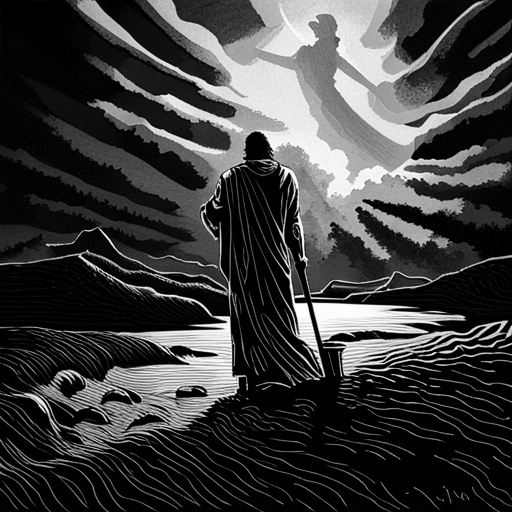
Once leaving the ark, Noah built an altar and worshiped the Lord (v. 20). God promised he would never destroy the earth again as he had done (vv. 21–22).

God then blessed Noah and his family and gave them animals for food, but he warned them that animals would now be hostile (9:1–6). He then told Noah to be fruitful and multiply and increase on the earth (v. 7). God made a covenant with Noah never to flood the world again as he had and gave the rainbow as a sign of that covenant promise (vv. 8–17).

Step 4: Interrogate the Passage

Questions you and your family ask might include:

  • Why did Noah build an altar and sacrifice so many animals?
  • Why did God determine never to destroy the earth again as he had?
  • Why did God now give people animals for food?
  • Why does not eating blood matter so much to God?
  • What is a “covenant”?
  • Why would God need to “remember” his covenant? Does he forget?
Step 5: Wonder about the Passage

Wonder statements you and your family make might include:

  • I wonder how many animals Noah sacrificed.
  • I wonder if this is why God had Noah take so many clean animals on the ark.
  • I wonder how Noah knew what animals were clean.
  • I wonder what it was like for Noah and his family to eat meat for the first time.
  • I wonder if the animals became afraid of Noah and his family right away.
  • I wonder why God chose the rainbow as a sign of his covenant with Noah.

Connect the Passage to Christ

Step 6: Find the World in Front of Text

Genesis 8 and 9 are a “do-over,” reminding us of Genesis 1 and 2. In Eden, God gave Adam and Eve food to eat and instructions to be fruitful, to multiply, and to fill the earth. Here, he gives Noah and his family food to eat and instructed them the same way he had Adam and Eve. The flood hasn’t changed anything; God is still a good provider for his people and he expects his people to obey him. What people had messed up through their pride and rebellion, God wants to start anew.

Step 7: Find the World of Jesus of the Text

Once again, we see the centrality of humility and obedience, both of which remind us of Jesus. Noah obeyed wonderfully, but not perfectly. Right after this, he will make a major mistake (Gen. 9:18–29). Thankfully, Jesus made no mistakes. He committed no sins. He perfectly obeyed the Father in full and genuine humility.


Translate It to Your Context

Step 8: Connect the World of Jesus of the Text to Your World

How can you be especially humble this week? Remember, humility is not thinking poorly of yourself; it is thinking more highly of God and others. It is putting God first, others second, and yourself third. What are ways that you can display humility with your friends, family, and others to show them Jesus?

How can you obey God this week, in big ways and small ways, so that people might see Jesus in you? Think about all the places you will be this week and what you will do. How can you obey God and people he has placed in authority with joy?


NEXT: Act 2: People Disobey; Scene 7: The Tower of Babel (Genesis 11:1–9)

Learn more about this family discipleship method here.

Noah During the Flood

TLDR: A guide for having a family discipleship time on Genesis 7–8 based on the ACT Bible Study Method.


Act 2: People Disobey
Scene 5: Noah During the Flood
Genesis 7:1—8:19

Analyze the Passage

Step 1: Introduce the Passage

Genesis was written by Moses sometime between 1445–1405 BC to help the Israelites leaving Egypt understand their history with God. It’s one of the five books of the Law that Moses wrote, which we also call the Torah, or the Pentateuch, which means “five books.”

Today’s true story picks up from our last story. Last time, we saw how people had become so evil that God decided to wipe them off the earth by a flood. But he chose to spare Noah and his family from this flood of judgment. He gave Noah very specific instructions to build a very large boat. That’s where we pick up the story. This story is in Act 2: People Disobey.

Step 2: Read the Passage

Genesis 7:1—8:19

Step 3: Summarize the Passage

God told Noah to get ready to get on the boat and that he would need to bring seven pairs of every clean animal and a pair of every unclean animal with him. It would rain in seven days and that rain would last 40 days and 40 nights (7:1–4).

Noah obeyed God. They got on the boat and God shut them in. Noah was 600 years old when the rains began. The rains lasted just as God had said; waters burst forth from above and below. All the people and animals outside of the boat died (vv. 5–23).

The flood lasted 150 days (v. 24).

God then caused a wind to drive the flood waters down. The boat then came to rest on a mountain. After 40 days, Noah sent a dove out to see if the ground was dry, but it wasn’t. A week later, he sent the dove again, and this time it returned with an olive leaf, meaning the ground was dry. A week later, he sent out the dove again and it didn’t return (8:1–12).

Noah then removed the cover from the boat and saw the ground was indeed dry. God told Noah and his family to come out of the ark and bring the animals with them. They were to be fruitful and multiply across the earth (vv. 13–19).

Step 4: Interrogate the Passage

Questions you and your family ask might include:

  • Why does the Bible repeat the details of this story so often?
  • Why did Noah bring seven pairs of clean animals and a pair of unclean animals?
  • What are clean and unclean animals?
  • What were the fountains of the great deep that burst open?
  • Was this flood across the entire world?
Step 5: Wonder about the Passage

Wonder statements you and your family make might include:

  • I wonder what it was like seeing God bring all the animals to the boat.
  • I wonder what it smelled like and sounded like on the boat.
  • I wonder if the animals got along on the boat.
  • I wonder what it was like to be on dry ground again.
  • I wonder if it was hard for Noah and his family to see any of the animals leave.

Connect the Passage to Christ

Step 6: Find the World in Front of Text

This story reminds us of how seriously God takes sin. We often think of a little boat with cute animals when we think of Noah’s ark, but we can’t miss that many, many people (and animals) died in this story. God had warned Adam and Eve that sin would lead to death. And here, we see that God is true to his word. This is another glimpse of an upside-down world, one that is nothing like it’s supposed to be. Instead, the world is supposed to be one where all people obey him. God didn’t intend for floods of judgment to cover his creation, but rather floods of blessings.

Step 7: Find the World of Jesus of the Text

God sent a flood upon the earth because people had become full of pride and weren’t just disobeying him, but they were also looking for ways to do disobey God even more. Noah, on the other hand, is a person full of humility who did exactly as God told him to do. It took great humility for Noah to believe God about the coming flood and build an ark on land that was dry at the time. We can only imagine the puzzled looks, questions, and mockery he endured while building it. But no matter, Noah obeyed God down to the smallest detail.

Noah is a good example of humility and obedience, but Jesus was an even better example—the perfect example. Jesus came to earth in the greatest of humility. He, too, endured scorn and mockery. And all the while, he obeyed the Father fully—in all matters big and small.

Translate It to Your Context

Step 8: Connect the World of Jesus of the Text to Your World

How can you be especially humble this week? Remember, humility is not thinking poorly of yourself; it is thinking more highly of God and others. It is putting God first, others second, and yourself third. What are ways that you can display humility with your friends, family, and others to show them Jesus?

How can you obey God this week, in big ways and small ways, so that people might see Jesus in you? Think about all the places you will be this week and what you will do. How can you obey God and people he has placed in authority with joy?


NEXT: Act 2: People Disobey; Scene 6: Noah After the Flood (Genesis 8:20—9:17)

Learn more about this family discipleship method here.

Noah Before the Flood

TLDR: A guide for having a family discipleship time on Genesis 6 based on the ACT Bible Study Method.


Act 2: People Disobey
Scene 4: Noah Before the Flood
Genesis 6:1–22

Analyze the Passage

Step 1: Introduce the Passage

Genesis was written by Moses sometime between 1445–1405 BC to help the Israelites leaving Egypt understand their history with God. It’s one of the five books of the Law that Moses wrote, which we also call the Torah, or the Pentateuch, which means “five books.”

Today’s true story is a pretty well known one. It’s the beginning of the story about a man named Noah, a huge flood, and a very, very big boat. This story is in Act 2: People Disobey.

Step 2: Read the Passage

Genesis 6:1–22

Step 3: Summarize the Passage

As families continued to grow and spread out, they continued to sin against God, becoming more and more evil. People couldn’t do anything but rebel against God. God is patient, but he has his limits. He decided to wipe all people and animals off the face of the earth. He would bring this judgment in 120 years. But God chose to give grace to Noah (vv. 1–8).

Noah was godly. He wasn’t perfect, but he wanted to know God and follow him. God told Noah his plans to wipe out all the people and animals with a great flood. But he told Noah to build a large boat and gave him instructions for how to do that. Noah and his family were to enter that boat and take every kind of animal with them. God would spare all the people and animals on that boat. Then, God would make a covenant with Noah (vv. 9–21).

Noah obeyed God (v. 22).

Step 4: Interrogate the Passage

Questions you and your family ask might include:

  • Who were the sons of God and daughters of men and why was what they did wrong?
  • Who were the Nephilim?
  • What does it mean that God regretted making people?
  • Why did God want to wipe out the animals too?
  • What does it mean that Noah found favor?
  • What does it mean that Noah was blameless?
  • What does it mean to walk with God?
  • Were animals sinful too? How?
  • Why did God give such exact instructions for building the ark?
  • What is a covenant?
Step 5: Wonder about the Passage

Wonder statements you and your family make might include:

  • I wonder why God chose 120 years.
  • I wonder if the Nephilim were giants.
  • I wonder why evil was all people could do.
  • I wonder how God felt seeing the world he made fall apart.
  • I wonder how Noah managed to remain godly in such a crazy world.
  • I wonder why God chose a flood.

Connect the Passage to Christ

Step 6: Find the World in Front of Text

Like the stories we have recently covered, this one shows us how the world is not supposed to be. It shows us how badly we can break things if we go our own way instead of following God’s way. The world God is after is one filled with Noahs—men, women, and children who love God and want to obey him. It’s a world where every thought and action isn’t evil, but rather delighting in God. It’s a world overflowing not with water, but God’s glory.

Like the family of Seth in the previous chapter, this story is another hard one, but there is hope in it to. God will bring judgment on sin because he is just. But he will also provide a way of salvation because he is loving. Noah didn’t deserve to be spared from the flood. He was a good man, but he was not perfect. He sinned too. It was nothing he did that saved him, it was all God’s choice and actions. God chose to spare Noah and then God told Noah exactly what to do to be saved—follow his plans of building the ark.

Step 7: Find the World of Jesus of the Text

As we will see in the next two parts of this story, Noah obeys God and is saved in the ark as it floated in the waters of God’s judgment. This is an important picture of how God brings salvation through judgment. We are saved not by God changing his mind to punish sins. God must punish sin. So, like Noah, we are saved through judgment. God used a wooden ark to save Noah; he used a wooden cross to save us. This all points to Jesus, who died on that cross and took our punishment.

This story is another one that shows us the importance of obedience. Noah obeyed God fully. In this, he was living like Jesus. Jesus obeyed the Father fully when he came to earth, did not sin even one time, and pleased God. He also obeyed the Father when he gave up his life on the cross to pay our punishment.


Translate It to Your Context

Step 8: Connect the World of Jesus of the Text to Your World

How can you obey God this week, in big ways and small ways, so that people might see Jesus in you? Think about all the places you will be this week and what you will do. How can you obey God and people he has placed in authority with joy?


NEXT: Act 2: People Disobey; Scene 5: Noah During the Flood (Genesis 7:1—8:19)

Learn more about this family discipleship method here.
Seth’s Family

TLDR: A guide for having a family discipleship time on Genesis 5 based on the ACT Bible Study Method.


Act 2: People Disobey
Scene 3: Seth’s Family
Genesis 5:1–32

Analyze the Passage

Step 1: Introduce the Passage

Genesis was written by Moses sometime between 1445–1405 BC to help the Israelites leaving Egypt understand their history with God. It’s one of the five books of the Law that Moses wrote, which we also call the Torah, or the Pentateuch, which means “five books.”

Today’s true story is another hard one, but it’s one where we see a beautiful glimpse of hope midway through it. This story is in Act 2: People Disobey.

Step 2: Read the Passage

Genesis 5:1–32

Step 3: Summarize the Passage

This chapter is the story of Adam’s family line through Seth (vv. 1–2).

Adam lived 930 years and was the father of Seth (vv. 3–5).

Seth lived 912 years and was the father of Enosh (vv. 6–8).

Enosh lived 905 years and was the father of Kenan (vv. 9–11).

Kenan lived 910 years and was the father of Mahalalel (vv. 12–14).

Mahalalel lived 895 years and was the father of Jared (vv. 15–17).

Jared lived 962 years and was the father of Enoch (vv. 18–20).

Enoch lived 365 years, but because he walked with God, God took him without Enoch dying. He was the father of Methuselah (vv. 21–24).

Methuselah lived 969 years and was the father of Lamech (vv. 25–27).

Lamech lived 777 years and was the father of Noah (vv. 28–31).

Noah lived 500 years and was the father of Shem, Ham, and Japheth (v. 32).

Step 4: Interrogate the Passage

Questions you and your family ask might include:

  • Why does this chapter begin by talking about God making people in his image like in Genesis 1?
  • Did these people really live so long? How?
  • What does it mean that Enoch “walked with God”?
  • Why and how did God take Enoch?
  • What did Noah’s father mean when he said Noah would bring comfort from their work?
  • Why aren’t we told how long Noah lived in total and that he died?
Step 5: Wonder about the Passage

Wonder statements you and your family make might include:

  • I wonder how many of these people were alive at the same time.
  • I wonder what it would be like to live almost 1,000 years.
  • I wonder why we don’t learn more about Seth’s family like we did Cain’s.
  • I wonder if Seth’s family and Cain’s family knew each other.

Connect the Passage to Christ

Step 6: Find the World in Front of Text

This story bridges all the ones we’ve covered so far and the next one. In Genesis 1–2, God made people in his image to have a special friendship with him. But then, in Genesis 3, we saw how people disobeyed God and broke the one rule he had given—not to eat from a special tree. God had said that if they sinned, they would die. Genesis 4 showed us how deeply sin affected Adam and Eve’s family, starting with one of their sons, Cain, killing their other one, Abel. We then learned that Cain’s family line continued to sin.

Here, Genesis 5 shows us how Seth’s family did. As we read the chapter, one phrase might standout because it appears time and time again: “and then he died.” What God promised would happen—death—came true. Seth’s family line was better than Cain’s family line, but they still were sinners, deserving to die. Life and death. Life and death. Over and over again.

Except one: Enoch. Enoch apparently was especially close to God and God did something very special for him. Enoch didn’t die. God took him into heaven instead. Enoch shows us that there is a way to escape the curse of death, but it isn’t because of anything we do; it’s because of what God does.

This idea is why Seth’s family line ends with Noah. We will follow Noah’s story for the next few chapters and we will see that God spares him and his family from sure death in an amazing way. And just like he did for Enoch, God spares Noah not because of anything he would do, but rather because of God’s good grace.

Sin has shattered God’s good world. It’s not as it’s supposed to be. But God is at work fixing what people have broken.

Step 7: Find the World of Jesus of the Text

This story is one about humility. Pride is what got people into trouble in the first place as we saw in Genesis 3. Then, pride cemented itself into Cain and his family line as we saw in Genesis 4. But here, we see that humility is the path toward being made right with God again. While God’s salvation is a free gift from him, we must be humble to receive it. When we are humble, we imitate Jesus who humbled himself to come to earth and then suffer and die to provide the very salvation that we need.


Translate It to Your Context

Step 8: Connect the World of Jesus of the Text to Your World

How can you be especially humble this week? Remember, humility is not thinking poorly of yourself; it is thinking more highly of God and others. It is putting God first, others second, and yourself third. What are ways that you can display humility with your friends, family, and others to show them Jesus?


NEXT: Act 2: People Disobey; Scene 4: Noah Before the Flood (Genesis 6:1–22)

Learn more about this family discipleship method here.